Think First with Jim Detjen
Think First is a short-form podcast that makes you pause — before you scroll, share, or believe the headline.
Hosted by Jim Detjen, a guy who’s been gaslit enough to start a podcast about it, Think First dives into modern narratives, media manipulation, and cultural BS — all through the lens of gaslighting and poetic truth.
Some episodes are two minutes. Some are an hour. It depends on the story — and the energy drink situation.
No rants. No lectures. Just sharp questions, quick insights, and the occasional laugh to keep things sane.
Whether you’re dodging spin in the news, politics, or that “trust me, bro” post in your feed… take a breath. Think first.
Visit Gaslight360.com/clarity to sharpen your BS filter and explore the 6-step clarity framework.
🚨Distorted is now available on Ingram, Amazon, Independent Book Stores, Apple Books, Harvard Book Store & COOP, and Barnes & Noble.
Think First with Jim Detjen
FLASHBACK #17 Stolen Land · The Ritual, The Riot, and The Rewrite
This episode is only available to subscribers.
Think First · Full Archive
Access the complete Think First archiveThey say we live on stolen land. And now, that slogan has leapt from classroom rituals to street riots. From land acknowledgments to ICE agents being swarmed in the name of justice. But what happens when poetic truth replaces real history — and guilt becomes policy? Jim Detjen breaks down the narrative, the irony, and the gaslight driving the Summer of Selective Sovereignty.
Stay sharp. Stay skeptical. #SpotTheGaslight
Read and reflect at Gaslight360.com/clarity
Support Think First and access the full archive for $3/month:
Gaslight360.com/subscribe
Land Acknowledgements as Performance
Speaker 1We're told this land was stolen, that the nation itself is illegitimate, that everything from our borders to our backyard barbecues is built on theft. You've probably heard the phrase by now. We recognize that we're on stolen land. It's said in schools, whispered at council meetings, stamped onto college syllabi like a disclaimer. It sounds respectful, reflective, even honest. But what if it's something else, a ritual, a performance, a political gaslight wrapped in poetic truth? Because if we're going to talk about stolen land, let's at least get the story straight. Because if we're going to talk about stolen land, let's at least get the story straight. Who gets to claim moral high ground and who pays the price for it? Is this about justice or political theater? Why do we pretend conquest only started in 1492? And how did Mount Rushmore become more offensive than cartel beheadings? And how did Mount Rushmore become more offensive than cartel beheadings? Hi, I'm Jim Detchen, host of Think First, founder of Gaslight 360, and a man who now wonders if putting up a patio umbrella on a Saturday qualifies as an act of colonial aggression. Let's talk about what's shaping up to be the summer of selective sovereignty. A wave of protesters swept through Los Angeles recently, not over gas prices, crime or homelessness, but to declare that America doesn't really exist. They mobbed ICE officers, climbed fences and shouted that federal agents have no right to be here Because, as the signs reminded us, no borders on stolen land. It's not just a chant anymore, it's a worldview, a belief that American laws, borders and sovereignty are invalid because of something that happened hundreds of years ago. It's activism, sure, but it's also performance, art, performance guilt. Let's rewind to how this gaslight got lit. A new ritual is sweeping classrooms and campuses the land acknowledgement. You've probably heard one. They usually go something like this we recognize that we are on the stolen land of the insert tribe name here and we honor their stewardship. It's meant to be respectful, reflective, inclusive, but let's be honest For many it now sounds more like a confession, and not a personal one, a national one, a moral indictment stitched into morning announcements and school plays. If history were a trial, it feels like the verdict has already been read and only one side gets to speak.
Conquest Before Columbus
Speaker 1The stolen land argument, as popularized in schools, politics and media, isn't just about acknowledging past injustice. It's about redefining present legitimacy. It says the land we live on is illegitimate. We live on is illegitimate. The country itself is built on theft and modern systems like borders, laws and property are still rooted in colonial sin. But here's where poetic truth and gaslighting start holding hands, because while it's true that many tribes were displaced violently, it's also true that those same tribes often displaced others also violently. It wasn't Eden until 1492.
Speaker 1Tribes like the Lakota, cheyenne, comanche and Iroquois were not peaceful co-op boards handing out land leases. They fought, they conquered, they enslaved, they exterminated. That's not colonialism, that's history. They exterminated that's not colonialism, that's history. So when a PBS piece calls the Lakota the original occupants of the Black Hills, that's poetic truth, it's emotionally satisfying, it simplifies the mess, but it isn't historically honest.
Speaker 1The US didn't steal the land from its first owners. It took it from the last group who had taken it, from the group before them who had taken it from. You get the idea. Conquest wasn't introduced by Europeans. It's been the global game since fire was invented.
Mount Rushmore Controversy
Speaker 1But instead of teaching kids this hard truth, we're training them in a new kind of civic shame. The New American reports that five-year-olds are now reciting land acknowledgements, effectively tasked with apologizing for their juice boxes on stolen Lenape land. What exactly are they atoning for their Legos? This isn't education, it's indoctrination, wrapped in virtue, sealed with guilt and delivered daily with morning attendance, and it's selectively applied. When the city approves a new luxury condo tower, no one asks which tribe lost beachfront access. And when protesters scream no borders on stolen land, they still expect the zoning board to approve their skate park. And then there's Mount Rushmore To some it's a monument to American their skate park. And then there's Mount Rushmore. To some it's a monument to American ambition and leadership. To others, it's now a crime scene.
The Need for Historical Nuance
Speaker 1The backlash machine wants it reconsidered, recontextualized or preferably erased. Blowing it up has been floated. Covering it with a tarp was seriously debated. Personally, I think we should leave it up, but add a giant trigger warning plaque made of recycled paper straws. It's the perfect compromise between symbolism and satire. Let's be clear no one is denying that America has scars. Yes, treaties were broken. Yes, people suffered and yes, that should be taught. But there's a difference between acknowledging history and rewriting it into a morality play where one side is always evil and the other always blameless. That's the gaslight, because if you question the narrative, you're erasing history and if you ask for nuance, you're called insensitive. But the truth doesn't need ceremony, it needs context and the courage to say this story is more complicated than you're letting on. Leave us a rating on Apple. It helps us cut through the noise, especially when the noise is rewriting history. One protest sign at a time when the noise is rewriting history. One protest sign at a time. Until next time, think first. No-transcript.

Podcasts we love
Check out these other fine podcasts recommended by us, not an algorithm.
The Megyn Kelly Show
SiriusXM
Hidden Brain
Hidden Brain, Shankar Vedantam
The Tucker Carlson Show
Tucker Carlson Network
Cato Podcast
Cato Institute
The Joe Rogan Experience
Joe Rogan
Common Sense with Dan Carlin
Dan Carlin
The Clay Travis and Buck Sexton Show
iHeartPodcasts
Revisionist History
Pushkin Industries
Freakonomics Radio
Freakonomics Radio + Stitcher
Fearless with Jason Whitlock
Blaze Podcast Network
The Daily Beans
MSW Media
The Glenn Beck Program
Mercury Radio Arts
Countermine
Dondi&Karlin
The Shawn Ryan Show
Shawn Ryan
Left, Right & Center
KCRW
Political Gabfest
Slate Podcasts
Stuff You Should Know
iHeartPodcasts
TED Talks Daily
TED
The Fifth Column
Kmele Foster, Michael Moynihan, and Matt Welch
The Jesse Kelly Show
iHeartPodcasts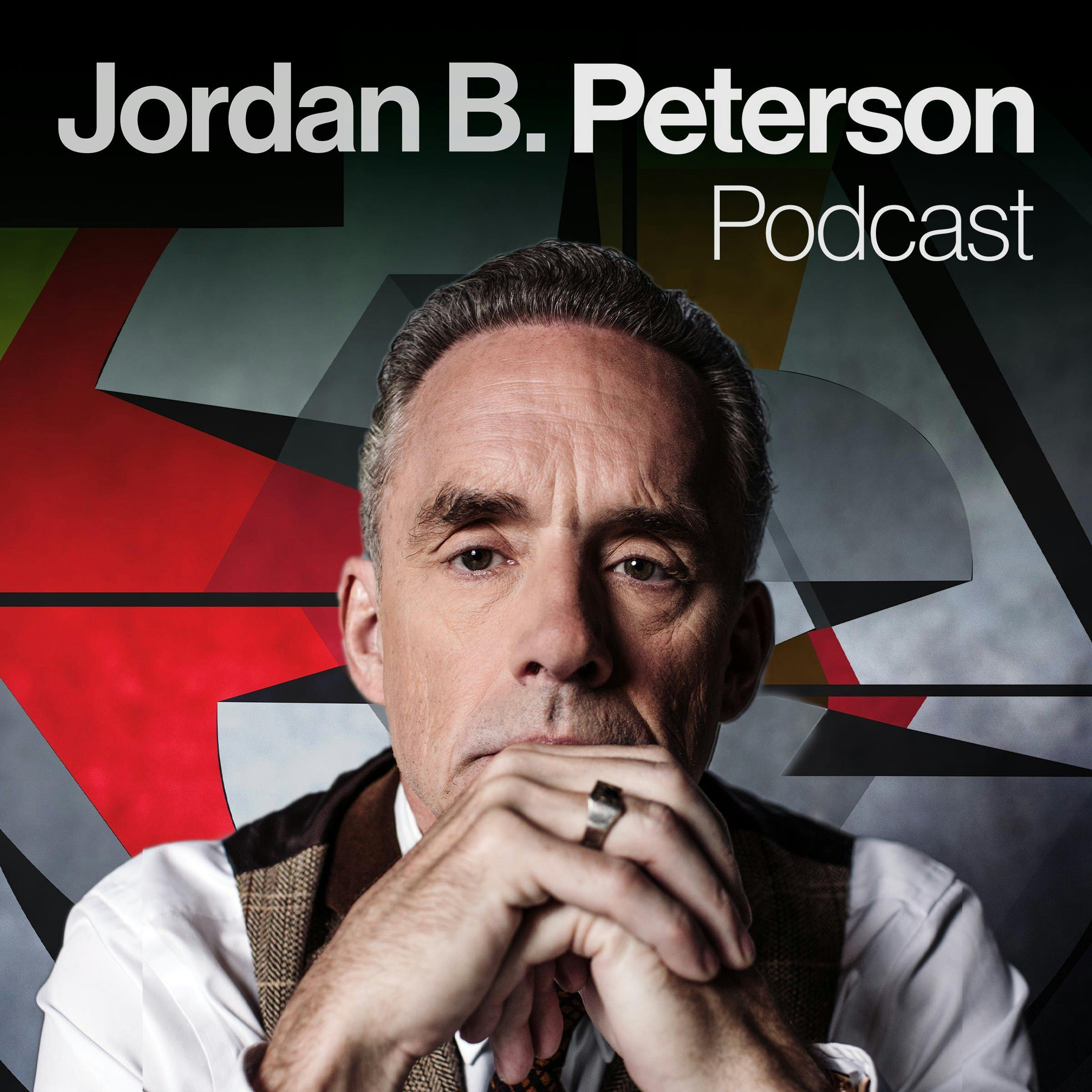
The Jordan B. Peterson Podcast
Dr. Jordan B. Peterson